


As we turn our gaze to another one of God’s attributes, let’s consider His patience, or longsuffering. When Jehovah descended in a cloud on the rugged summit of Mount Sinai, He included this important attribute in the Divine description of Himself. “And the LORD descended in the cloud, and stood with him [Moses] there, and proclaimed the name of the LORD. And the LORD passed by before him, and proclaimed, The LORD, The LORD God, merciful and gracious, longsuffering, and abundant in goodness and truth” (Exodus 34:5–6).
Longsuffering is one of the essential attributes of our Lord. The Hebrew idiom that God used here to describe Himself as being patient is striking and memorable. Literally, God said that He was אֶרֶךְ אַפַּיִם (erekh appayim) which means “long of nose.” This interesting phrase was a Hebrew expression used in the ancient world that meant “slow to anger.”
So, why is the nose the object of this idiom? Well, when a horse, donkey, ox, or camel—common animals of the ancient way of life—is irritated, it will flare its nostrils in agitation. The animal’s nostrils become extended and widened. Similarly, an angry man often flares his nostrils during a fit of indignation. The flaring nostrils make the man’s—like an animal’s—nose appear shortened!
Our God is a patient, “long of nose” God! He is not quick to respond in anger to sinful man. He is patient, longsuffering, and eager to forgive. He is certainly a God Who is righteous and just, while also willing and capable of having wrath against sin. Yet, He extends His patience to His beloved, albeit erring, children.
The longsuffering of our Lord is mentioned again in Numbers 14. This chapter describes the event when, after hearing a fearful report of huge, fearsome enemies in the Promised Land, the rebellious and unfaithful children of Israel wept and longed for a new leader to lead them back into slavery in Egypt! Because the Israelites believed the report of the ten unbelieving spies, they foolishly tried to stone Joshua and Caleb, the two believing spies who gave a good report that God was greater than any obstacles before them.
At this dramatic moment of confrontation, Jehovah intervened. “And the glory of the LORD appeared in the tabernacle of the congregation . . . . And the LORD said unto Moses, How long will this people provoke me? and how long will it be ere they believe me, for all the signs which I have shewed among them? I will smite them with the pestilence, and disinherit them, and will make of thee a greater nation and mightier than they” (Numbers 14:11–12). All Moses had to do was to sit by silently, and God would have destroyed a nation in a moment!
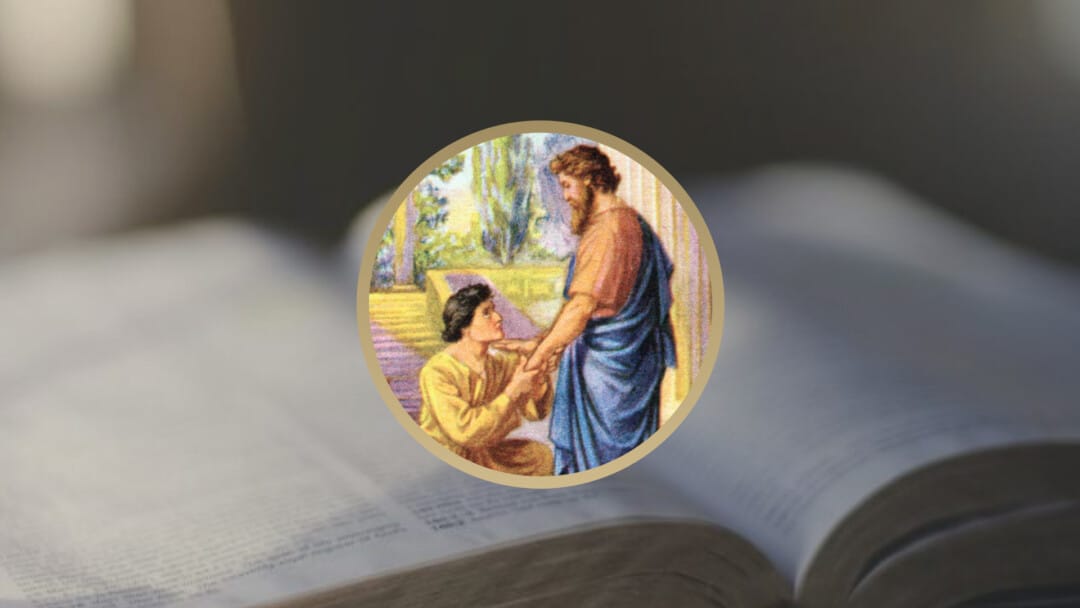
But Moses did not remain silent. The man of God interceded for the rebellious nation of Israel. Pleading the covenant, Moses quoted back to the Lord His Own revelation of Himself. “And now, I beseech thee, let the power of my lord be great, according as thou hast spoken, saying, The LORD is longsuffering, and of great mercy, forgiving iniquity and transgression, and by no means clearing the guilty, visiting the iniquity of the fathers upon the children unto the third and fourth generation. Pardon, I beseech thee, the iniquity of this people according unto the greatness of thy mercy, and as thou hast forgiven this people, from Egypt even until now” (Numbers 14:17–19).
Moses used the very same idiom that God had revealed to him at Mount Sinai: “Jehovah is ‘long of nose.’” Moses made it clear that God’s attribute of longsuffering did not in any way contradict His righteousness or His justice. But Moses asked God to be patient with His erring children and to forgive them yet again. The Lord heard the intercession of His servant because He was, and still is, a longsuffering God. “And the LORD said, I have pardoned according to thy word” (Numbers 14:20).
Every day that we live, we can give thanks that our God is “long of nose.” He is patient with His children. When we have sinned and rebelled against Him, we can humbly plead His Own description of Himself when we ask for pardon. When interceding for a wayward daughter, a rebellious son, or a fellow Christian entrapped in sin, we can and should plead God’s patience in the words of our prayer of intercession. An understanding of God’s longsuffering with sinners will help us to become more patient and “long of nose” ourselves.


 32:39
32:39