

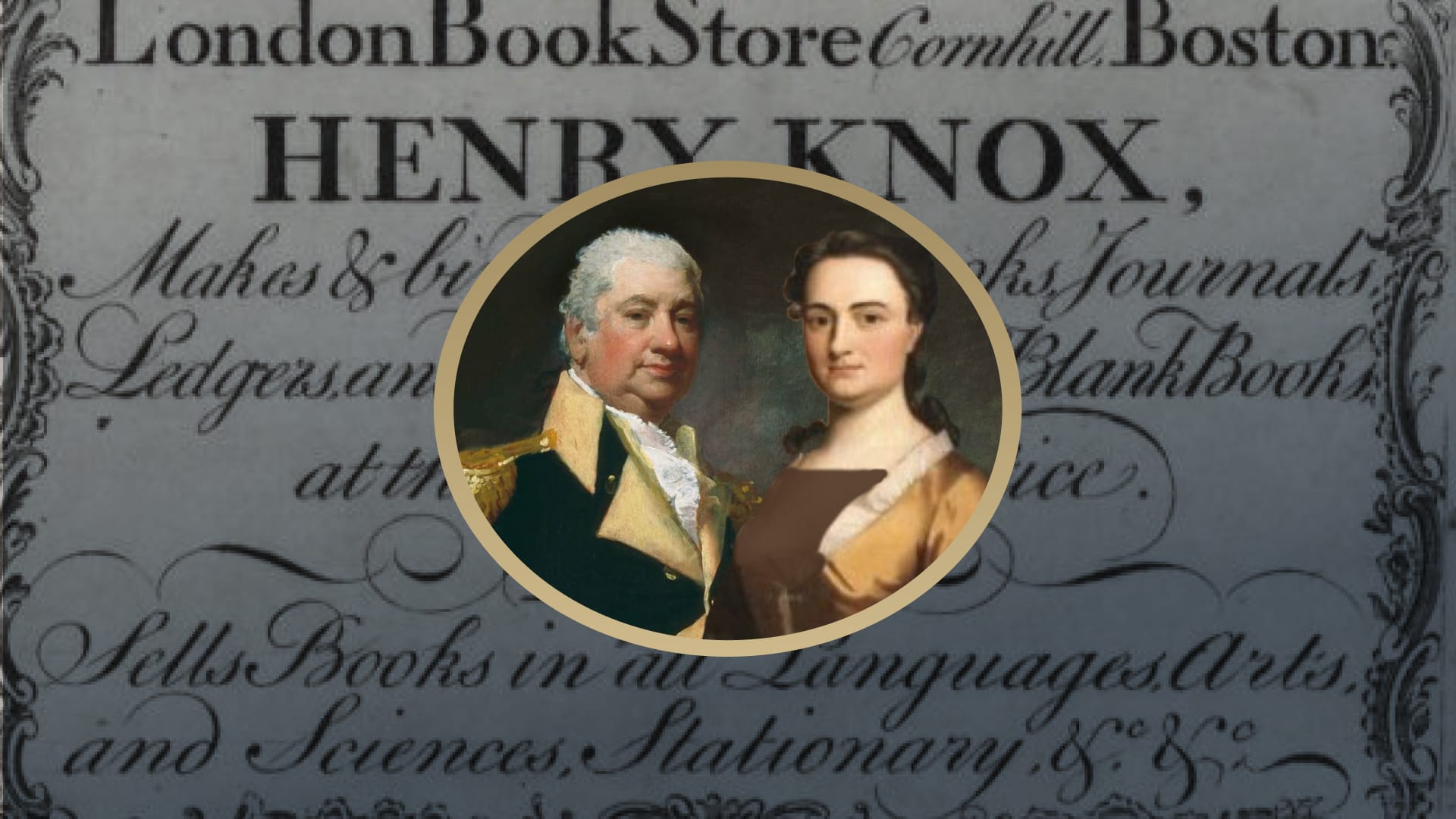
One of the great American patriot heroes of 1776 was Henry Knox. In the early days of that important year, he led a bold expedition to bring heavy artillery from Fort Ticonderoga in northern New York to relieve the siege of Boston, Massachusetts. In the summer, he helped General George Washington in the difficult defense of New York City and was at Washington’s side in every disaster, even as the Declaration of Independence was proclaimed against all reasonable odds of success. That fall and winter, Knox helped to orchestrate the daring crossing of the Delaware River and the victory of the American campaign at Trenton.
Henry Knox was a stout bookseller from Boston who weighed 250 pounds. He was bold, determined, strong, courageous, and visionary. He earned the trust of General Washington when he was only twenty-five years old. Knox would go on to become one of Washington’s most trusted field commanders and would serve as the first Secretary of War.
While some Americans know and appreciate his valor, recognizing his fame in the naming of Fort Knox and Knoxville, Tennessee, fewer are acquainted with the details of his personal life. Henry Knox was forced by the death of his father to leave school at the age of nine and earn a living to support his mother and younger siblings. He was an avid reader and opened his own bookshop while still in his late teens. There in his bookshop he met a girl named Lucy Flucker.
The trials of an estranged family
Lucy Flucker was the daughter of one of the most prominent Loyalist families in Boston. She also was an avid reader and often perused the bookshelves of Henry Knox’s shop. Soon, it became apparent that she was more interested in the bookseller than in the books! At that time also, trouble between England and her American colonies was brewing. Lucy Flucker had to make a difficult choice between the Patriot bookseller she had come to love and admire and her Loyalist family.
Amazingly, in spite of political differences, Lucy’s father liked and admired Henry! He gave his blessing to the union of his daughter and the young bookseller. However, with the opening of hostilities, the Flucker family sailed from Boston, and Lucy never saw them again. She had cast her lot with her husband and the patriot cause. Before Henry and Lucy Knox slipped out of town to join American forces, she carefully sewed her husband’s sword into the folds of her shawl to conceal it from British guards.
The trials of long separations
When Henry Knox was asked to help organize the colonial artillery, circumstances forced him to leave his wife, who was expecting their first child, in the care of friends. Throughout the war, the couple treasured every opportunity to be together.
Dangerous missions, harsh camp conditions, and active campaigns drove them physically apart, but Henry and Lucy Knox never allowed circumstances to drive them apart in heart and soul. Their tender love letters back and forth have been preserved for our perusal and give us a glimpse of a faithful marriage that we can emulate.
The trials of sick and dying children
Of the thirteen children Lucy Knox gave birth to, only three survived to adulthood. Childhood diseases rendered an awful toll; with each sorrowful death, Henry and Lucy Knox learned to lean more and more upon the grace of God. Comforting letters from George and Martha Washington pointed them to the consolations of God’s mercy and grace in their hours of deepest sorrow.
Even in the midst of family separation and war, and even death within their own family, Henry and Lucy Knox maintained a strong, vibrant marriage worthy of honor today, more than 250 years since they wed. Strong nations are built upon strong marriages such as theirs was!


 22:09
22:09