
Jesus often spoke of plants to illustrate the beauty of life after death. “Verily, verily, I say unto you, Except a corn of wheat fall into the ground and die, it abideth alone: but if it die, it bringeth forth much fruit” (John 12:24). When a husband or wife must lay a spouse in the grave, death and burial are reminders of resurrection and eternal life.
Bulb flowers in particular are beloved plants that are noted as a hallmark of spring all around the world. Crocuses are among the first flowers to appear in early spring, often peeking through the late winter snow! Daffodils follow soon afterward, splashing springtime colors of yellow and white to the landscape. Tulips come along with their showy blooms, lining sidewalks and lawn shrubbery with brilliant yellows, reds, purples, and more. In fact, the spring landscape of the Netherlands is famous for its fields of richly colored tulips, stretching as far as the eye can see!
In the United States, irises bloom next among these bulb flowers. Irises are native to the mountains of Israel, and our Lord Jesus would have been very familiar with this particular flower. The deep blues and lovely purples of the iris cover the mountainsides of Judea and Samaria during the spring months as Passover approaches.
The lily takes the place of the iris as the summer months arrive. The lily, too, is a flower that springs from a bulb. Lilies also exist in the land of the Bible, and it is not without reason that they have become a symbol of the resurrection.
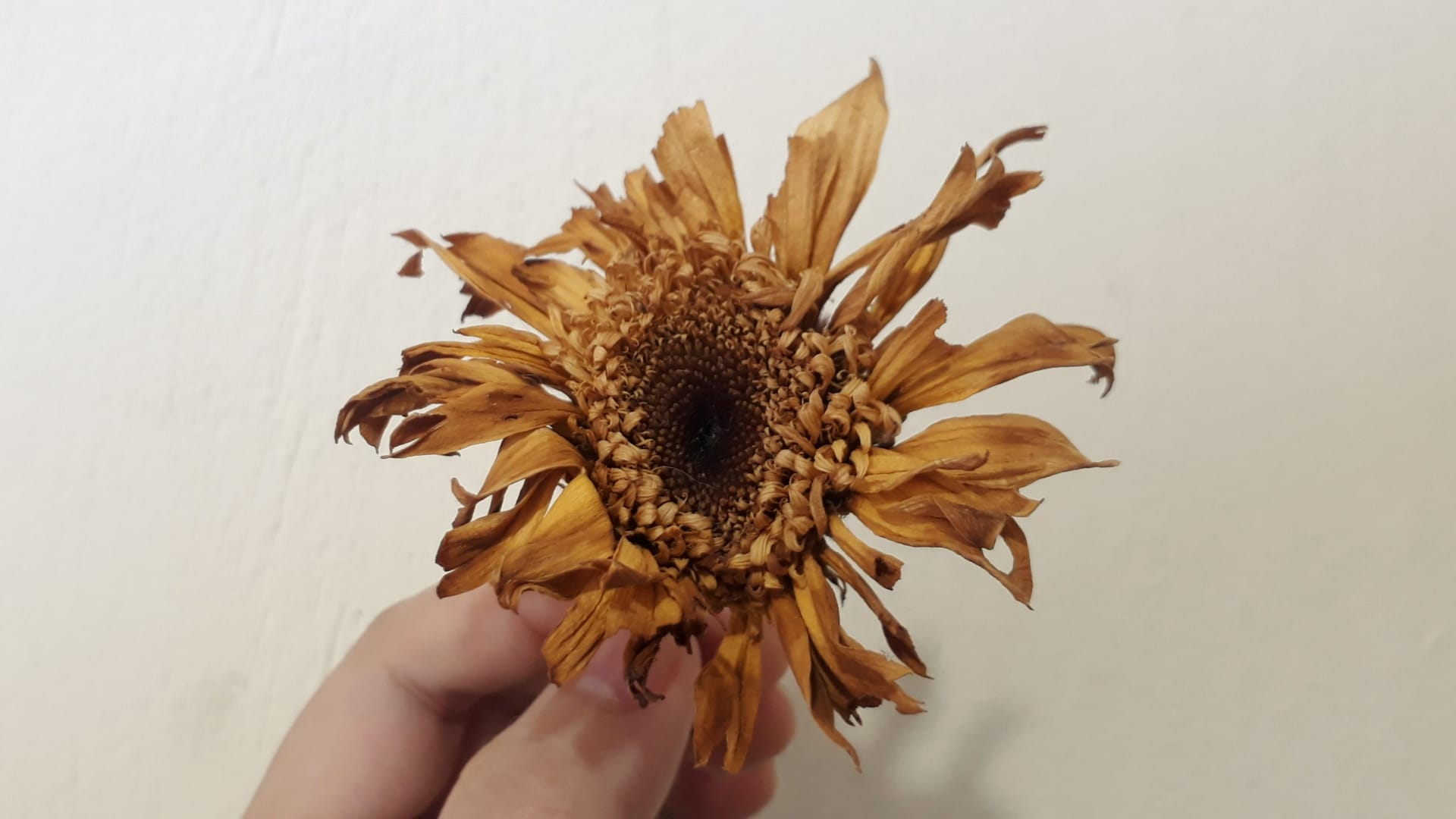
As the months of autumn approach, the showy bulb flowers of spring and summer begin to fade away, leaving dry spears and brown stems after the petals have dropped off and fallen to the ground. Scripture refers to the fading of flowers on numerous occasions to remind us of the transient nature of life on earth. “The grass withereth, the flower fadeth: because the spirit of the LORD bloweth upon it: surely the people is grass. The grass withereth, the flower fadeth: but the word of our God shall stand for ever” (Isaiah 40:7–8).
What does this discussion about bulb flowers have to do with marriage? Recently, we considered the important connection and analogies between flowers and marriage, particularly in relation to Christ, Who is the “rose of Sharon” and “the lily of the valley.” For a moment, however, let’s consider the hope that a widow or widower can have as one reflects upon the reality that a faded flower contains within its withered stem—the promise of life to come!
When a believing spouse dies, there is a striking connection with the fading of a bulb flower. The remaining spouse can take special comfort in remembering what is truly happening, as given in Jesus’ teaching about when a flower withers and fades.
When a tulip or an iris drops its petals and fades from green to brown, it is not dead! Rather, it is storing its renewed energy in the bulb beneath the ground. The plant awaits the moment when, after the long winter, it will rise again to new life and vigor. Beneath the surface of the soil, the dormant bulb rests. After the outward parts of the flower have passed away, there will come a new day of rising from the depths and into the warm sunlight!
Similarly, a widow whose husband is buried can know that love is not lost and hope is not gone. Her loved one will rise again to the newness of life! A man who lays his wife in the grave can also know that she, like a faded flower, will rise again with renewed beauty in a world that knows no sorrow, no sin, no death.
Every time a bereaved spouse sees a crocus, a daffodil, a tulip, or an iris, he or she can be comforted in the reminder of the promise of renewed life and love to come in a glorious eternity!